Across the Indian subcontinent and far beyond its borders, Hindu temples stand as some of the most intricate and symbolically rich religious structures ever created. More than mere places of worship, these temples are profound architectural expressions of philosophy, cosmology, art, and community life. Every pillar, tower, and sanctum within a Hindu temple carries layers of meaning, reflecting centuries of spiritual thought and cultural development.
To understand Hindu temples is therefore to explore a tradition in which architecture, ritual, and philosophy are woven together into a living cultural system.
The Temple as a Cosmic Diagram
In Hindu thought, a temple is not simply a building dedicated to a deity. It is conceived as a microcosm of the universe. Ancient architectural texts such as the Vastu Shastra and Agama Shastra prescribe precise measurements, orientation, and spatial relationships for temple construction. These guidelines are rooted in the belief that sacred architecture should align with cosmic principles.
Central to this design is the concept of the Vastu Purusha Mandala, a sacred geometric grid used in planning temples. The mandala represents the universe in diagrammatic form, with the divine at the center and various cosmic forces arranged around it. The temple’s layout follows this grid so that its spatial organization mirrors the structure of the cosmos.
The temple’s most sacred chamber, the Garbhagriha—literally meaning “womb chamber”—is placed at the center of this mandala. This small, dark sanctum houses the primary deity of the temple and represents the cosmic source from which creation emerges. The devotee’s journey into the temple mirrors a spiritual journey inward: from the outer, worldly environment toward the inner presence of the divine.
Architectural Styles of Hindu Temples
Over centuries, regional traditions produced distinct architectural styles. Although variations exist, three broad categories are commonly identified: Nagara, Dravidian, and Vesara.
The Nagara Style of North India
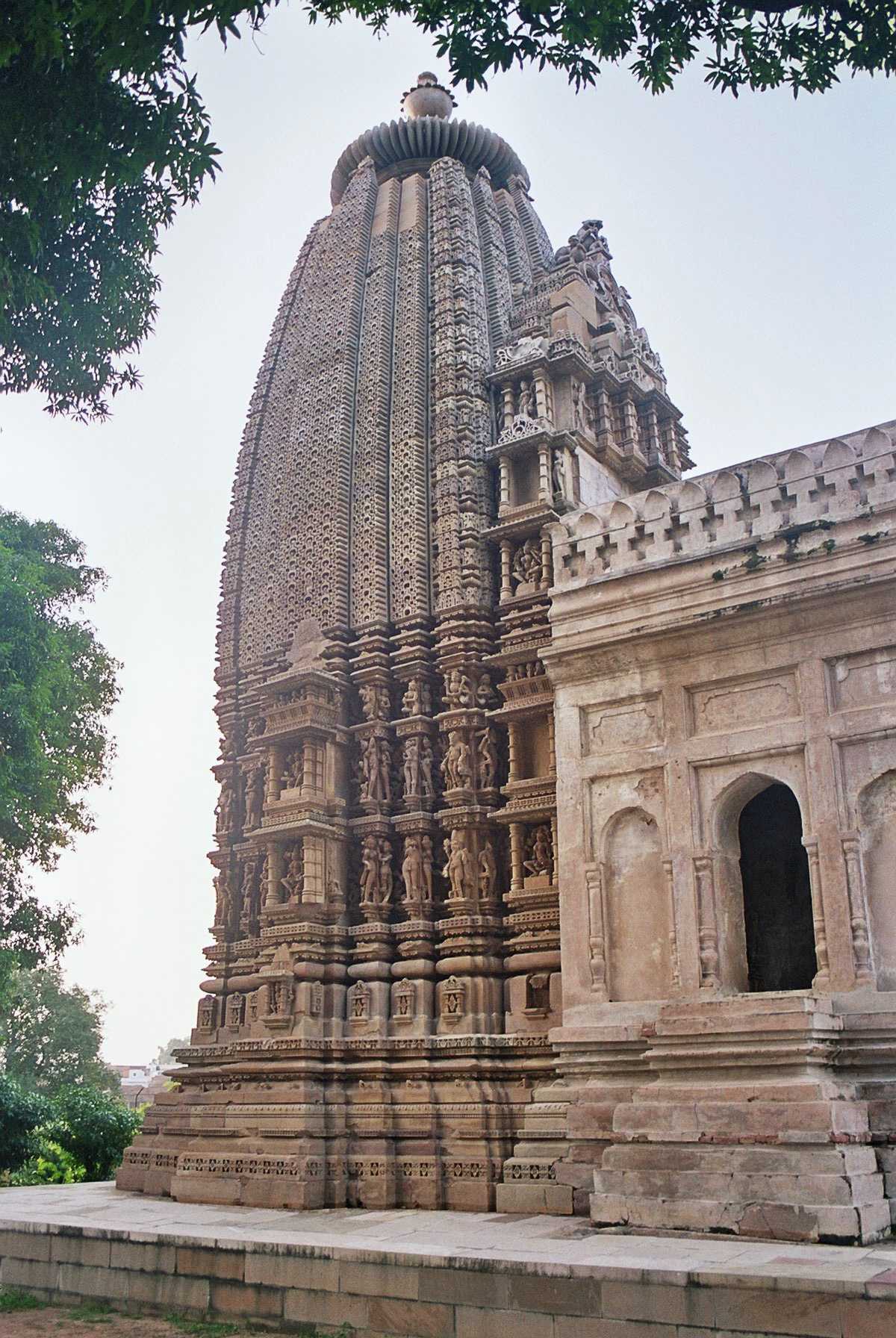
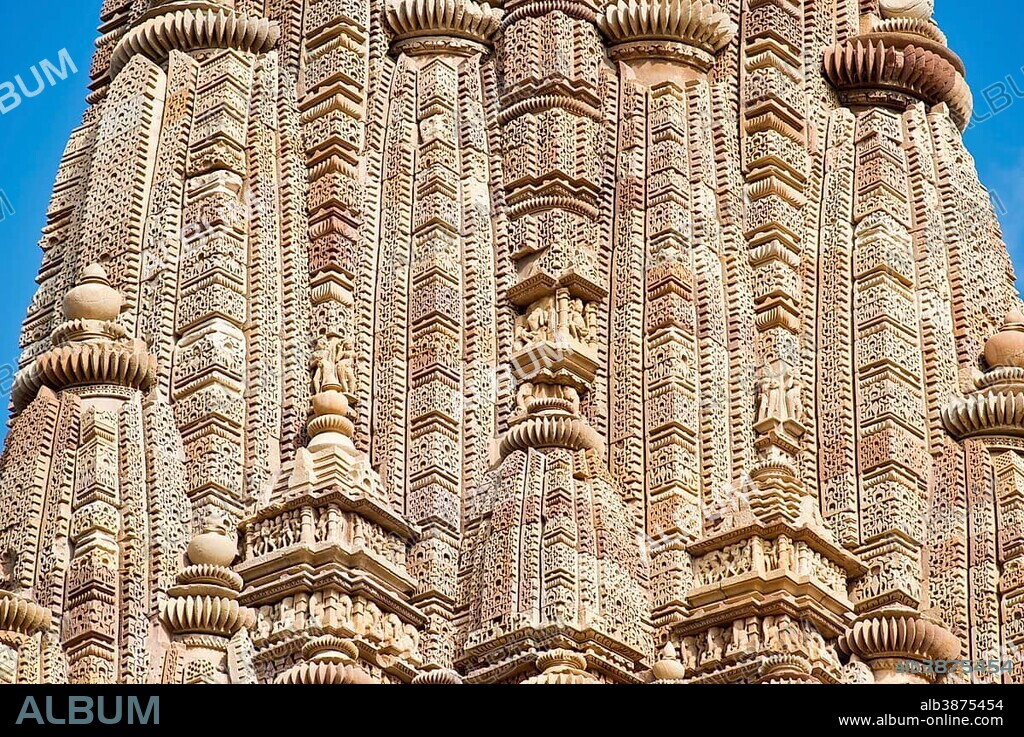
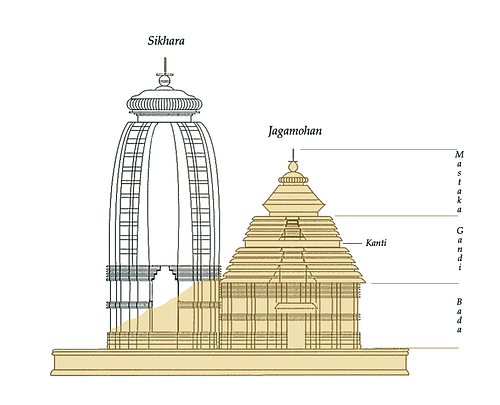
The Nagara style developed in northern India and is characterized primarily by the shikhara, a tall curving tower rising above the sanctum. These towers often appear like vertical mountains of stone, composed of smaller repeating architectural elements that draw the eye upward.
Temples such as the Kandariya Mahadeva Temple in Madhya Pradesh demonstrate the elegance of this style. The temple’s soaring shikhara is surrounded by smaller subsidiary towers, creating the impression of a mountain range. Another iconic example is the Konark Sun Temple, designed in the form of the sun god’s celestial chariot.
These structures illustrate how temple architecture often reflects cosmic symbolism: the towering shikhara represents Mount Meru, the mythic axis of the universe in Hindu cosmology.
The Dravidian Style of South India
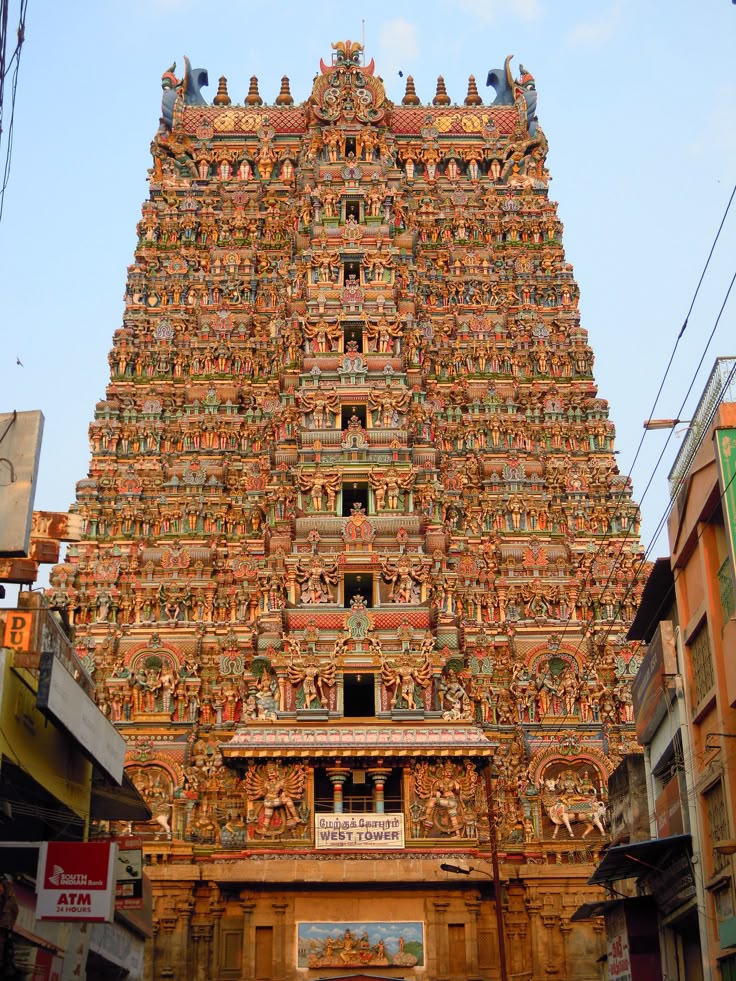
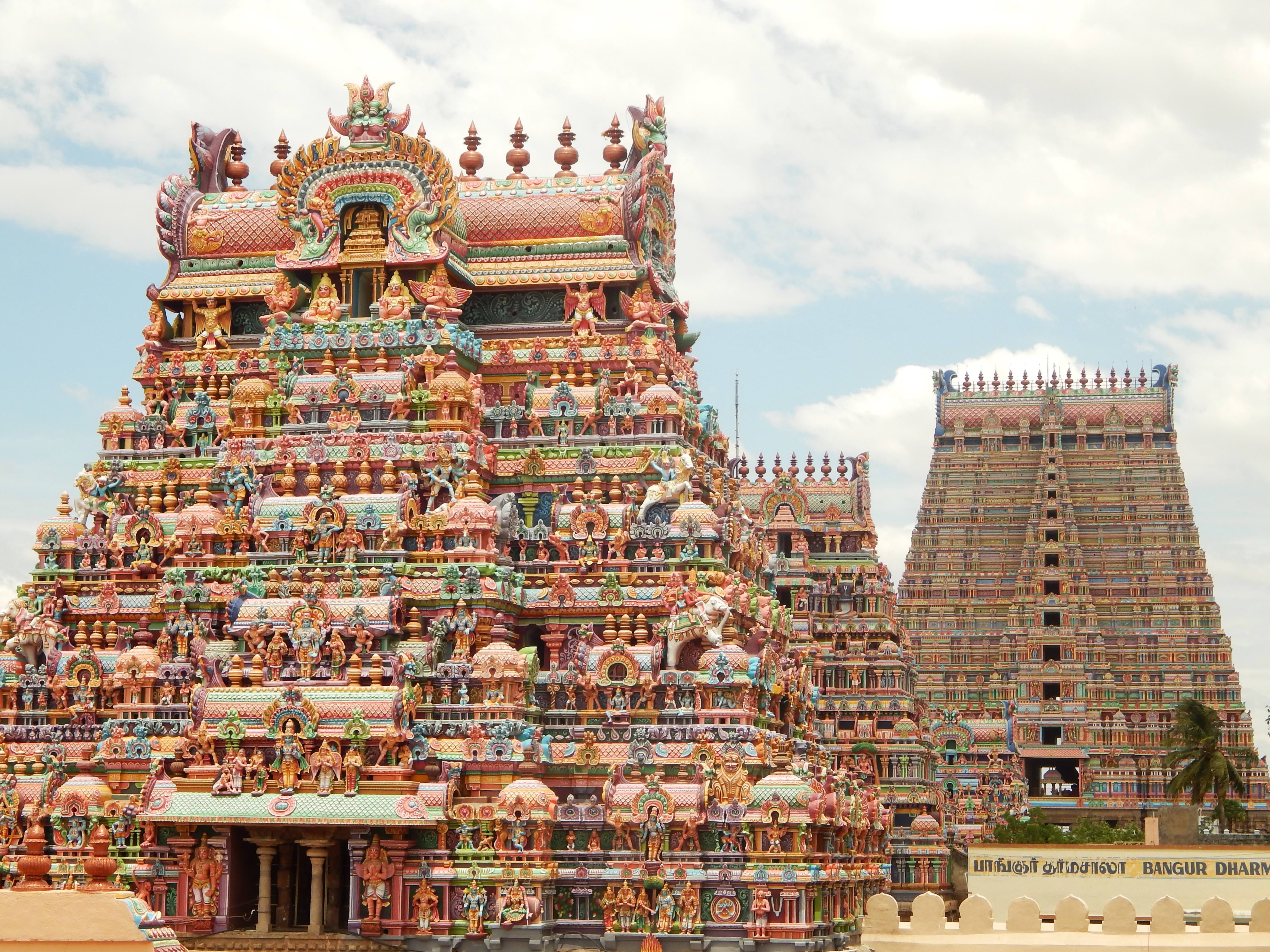
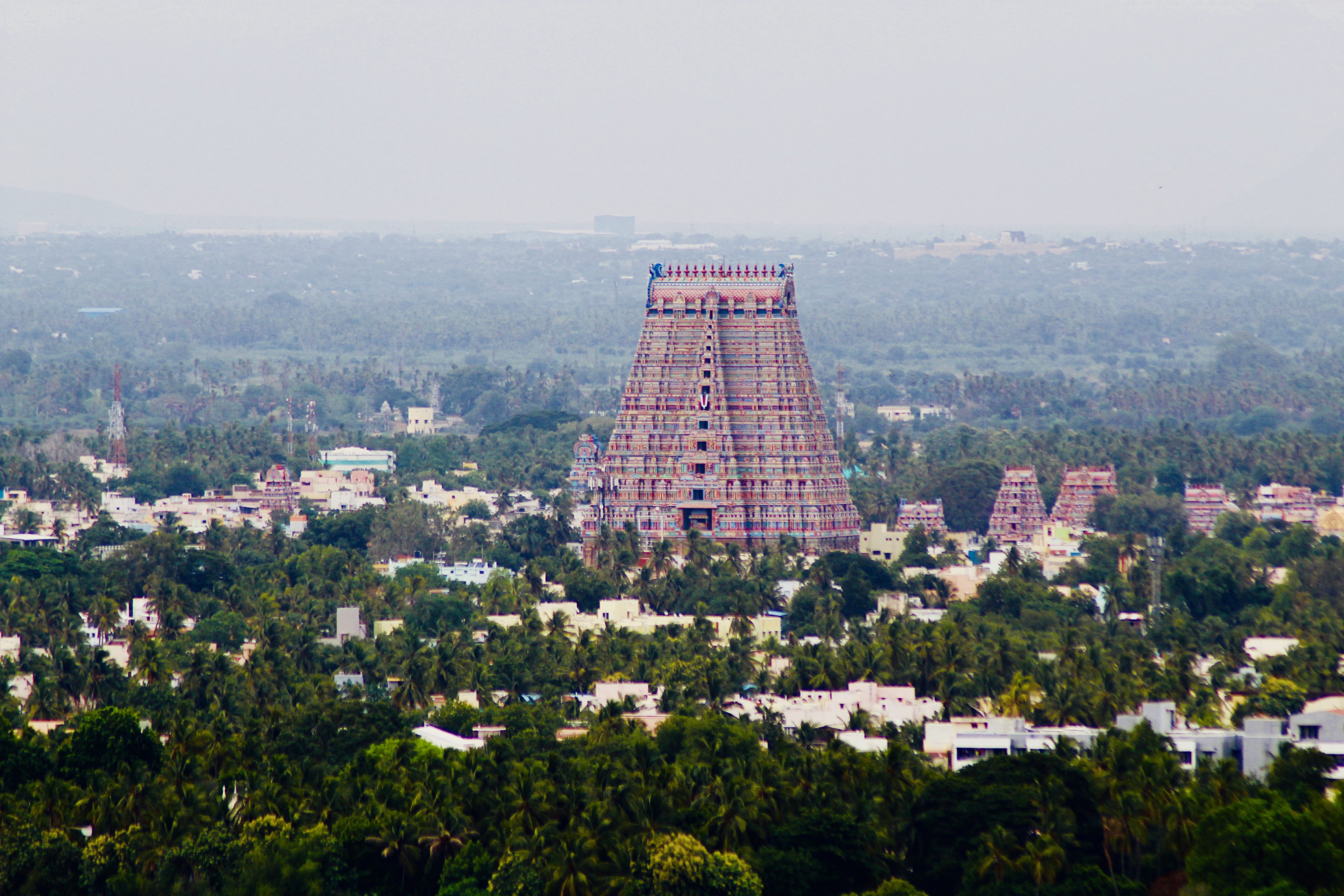
In southern India, temples developed a distinct architectural language known as the Dravidian style. While the sanctum still contains a tower called the vimana, the most visually dominant structures are the monumental gateway towers known as gopurams.
These gopurams rise high above the temple walls and are often covered with colorful sculptures depicting gods, mythological scenes, and celestial beings. The temple complex itself may contain multiple courtyards, shrines, and halls arranged concentrically around the sanctum.
The Brihadeeswarar Temple, built by the Chola dynasty in the 11th century, exemplifies the grandeur of Dravidian architecture. Similarly, the Meenakshi Amman Temple is famous for its towering gopurams and vast sacred precinct.
In this tradition, the temple functions almost like a sacred city, with the divine presence at its center and devotees gradually moving inward through successive layers of space.
The Vesara Style of the Deccan
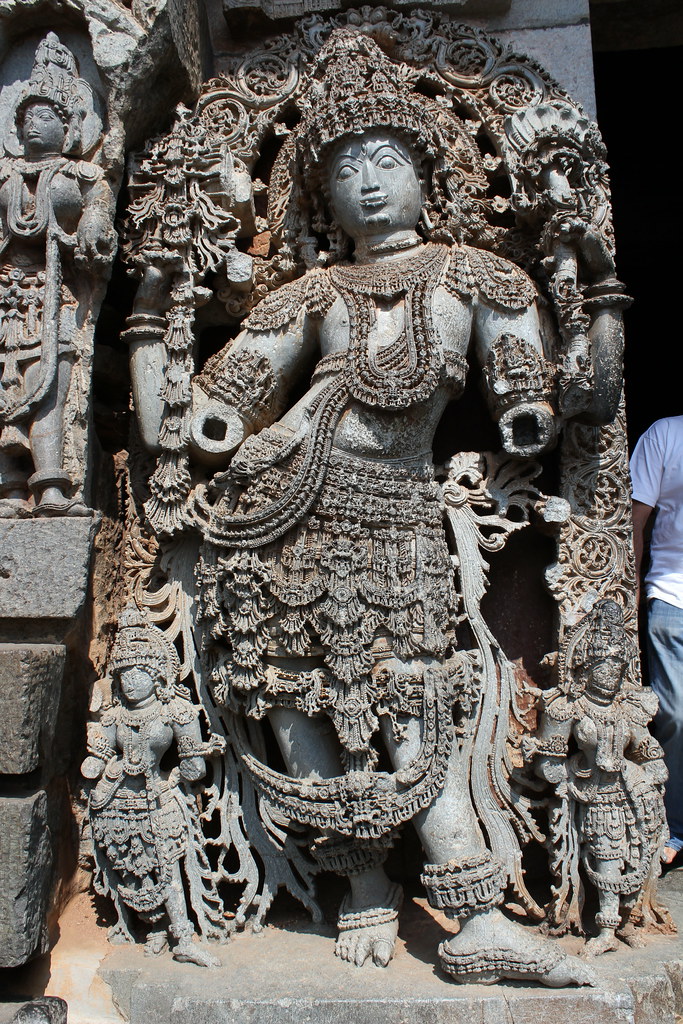
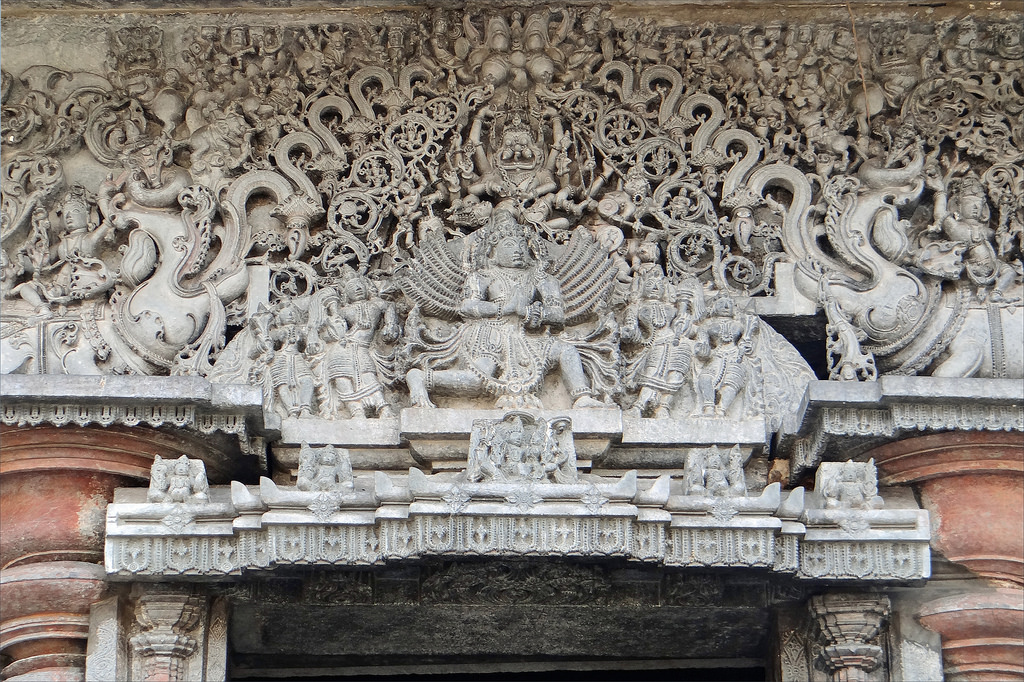

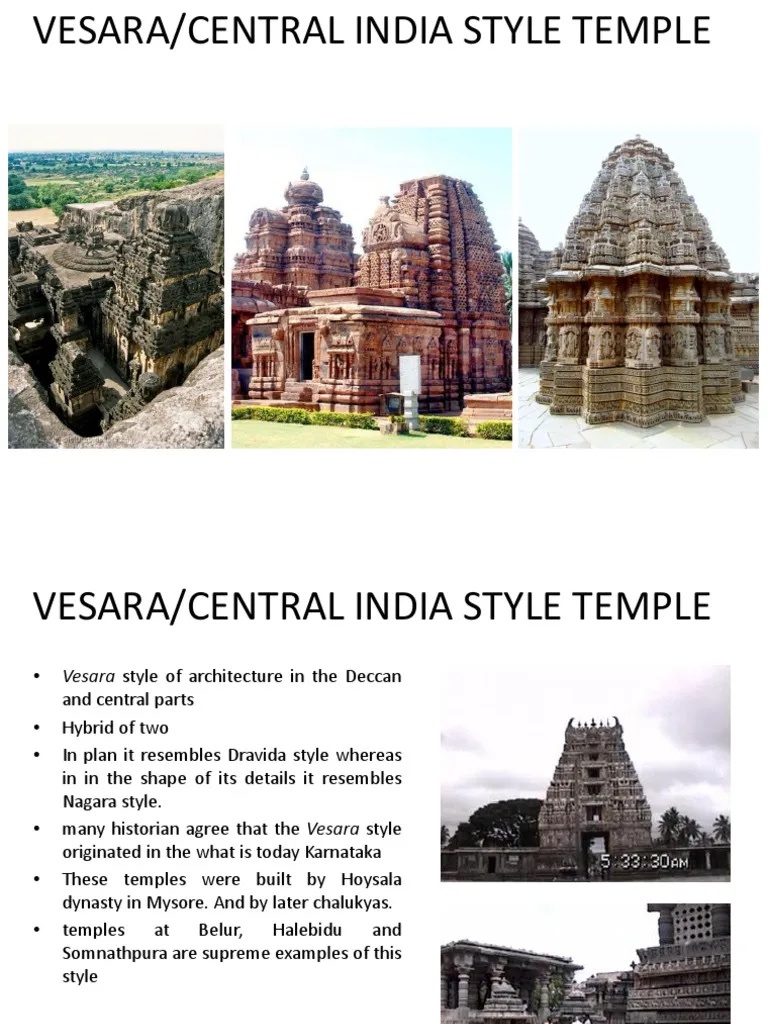
Between northern and southern traditions, a hybrid architectural style emerged in the Deccan region. Known as Vesara, this style blends elements of both Nagara and Dravidian forms.
Temples built under the Hoysala dynasty in present-day Karnataka are especially celebrated for their intricate craftsmanship. The Hoysaleswara Temple and the Chennakesava Temple feature star-shaped ground plans, ornate pillars, and elaborate narrative sculptures carved into nearly every surface.
These temples are often described as stone lacework because of the extraordinary detail in their carvings.
Related Posts
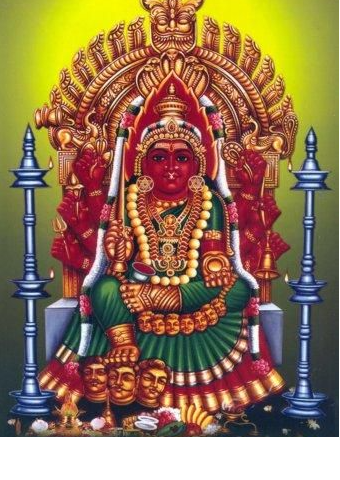
Mariamman: The Mother Goddess of Rain, Healing, and Protection
Facebook Share on X LinkedIn WhatsApp Email Copy Link Introduction Across the villages, towns, and [...]
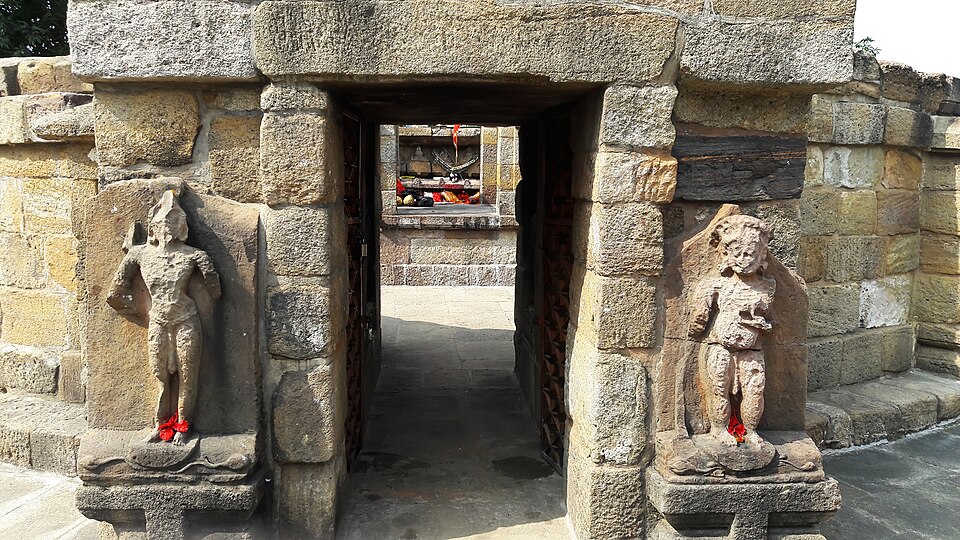
The Sixty-Four (64) Yoginis: Iconography, Symbolism, and Tantric Invocations
Facebook Share on X LinkedIn WhatsApp Email Copy Link The Chausath Yogini tradition represents one [...]
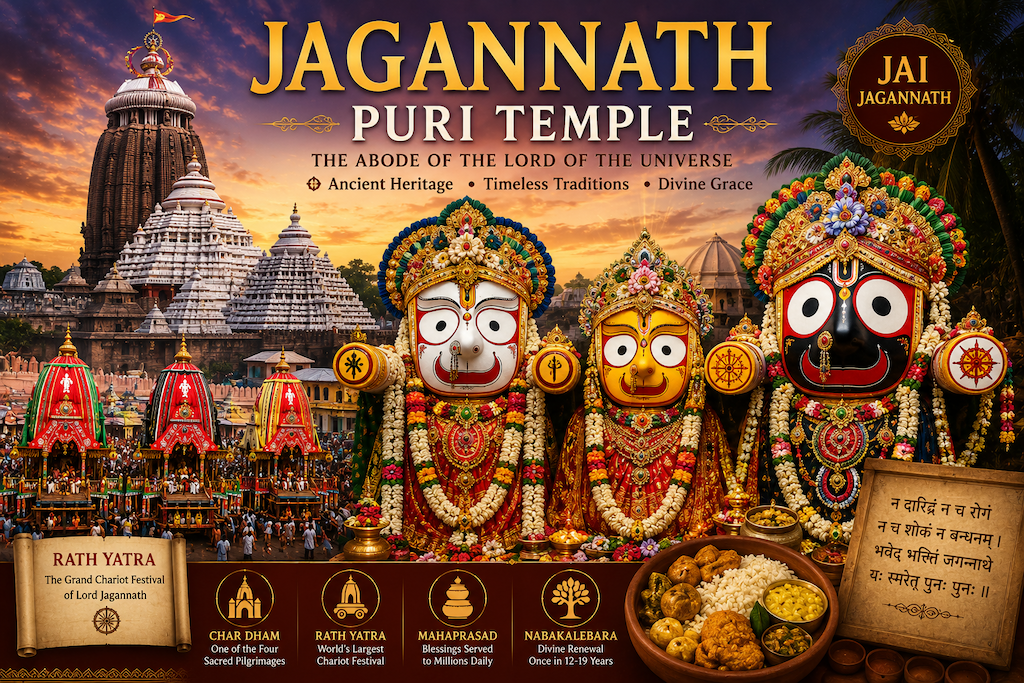
Jagannath Puri Temple: History, Mysteries, Rath Yatra, Nabakalebara & Complete Pilgrim’s Guide
Facebook Share on X LinkedIn WhatsApp Email Copy Link Introduction Standing majestically on the shores [...]