Although architectural styles vary, most Hindu temples share a common set of structural elements.
Garbhagriha (Sanctum Sanctorum)
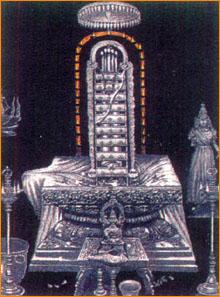
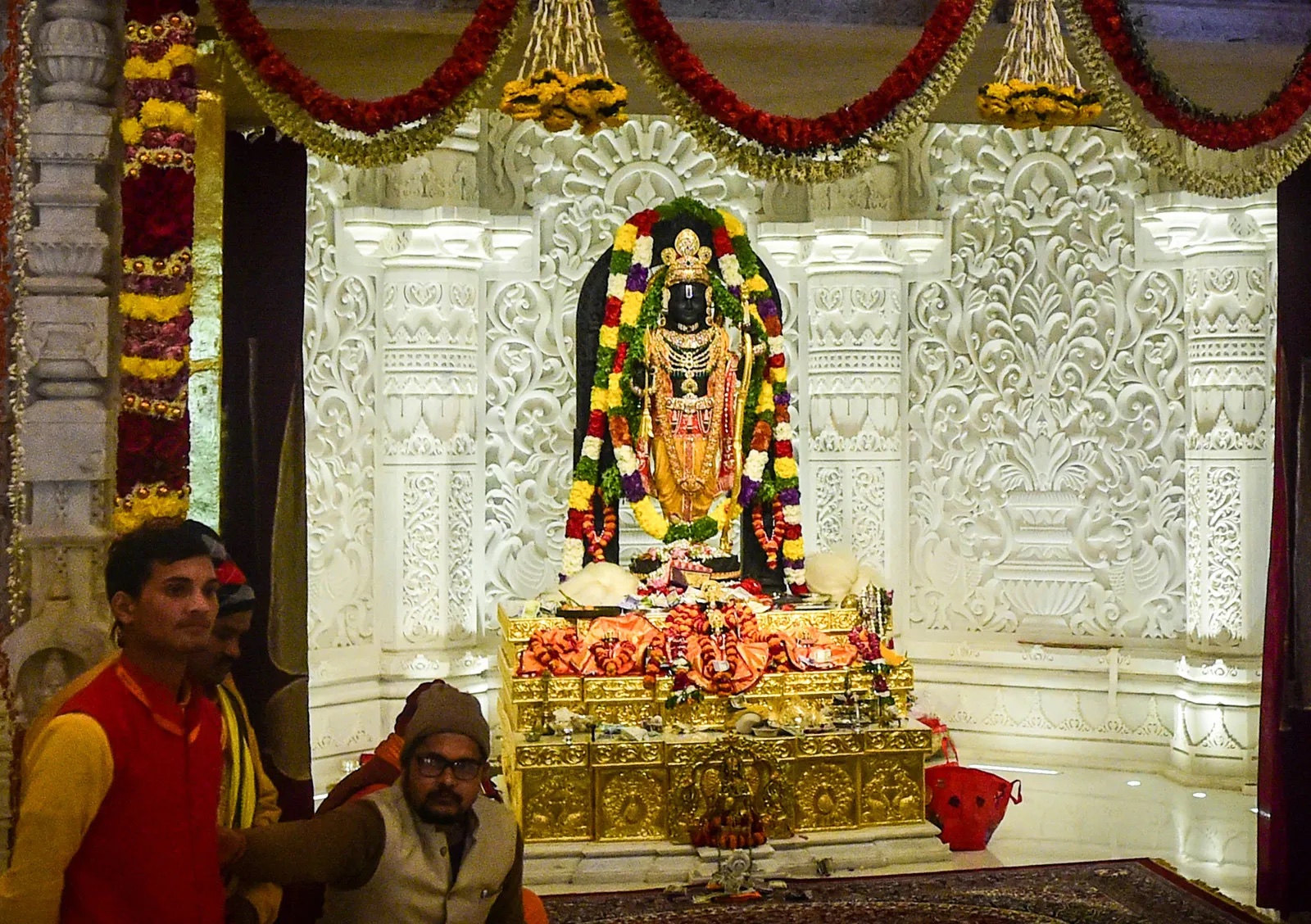
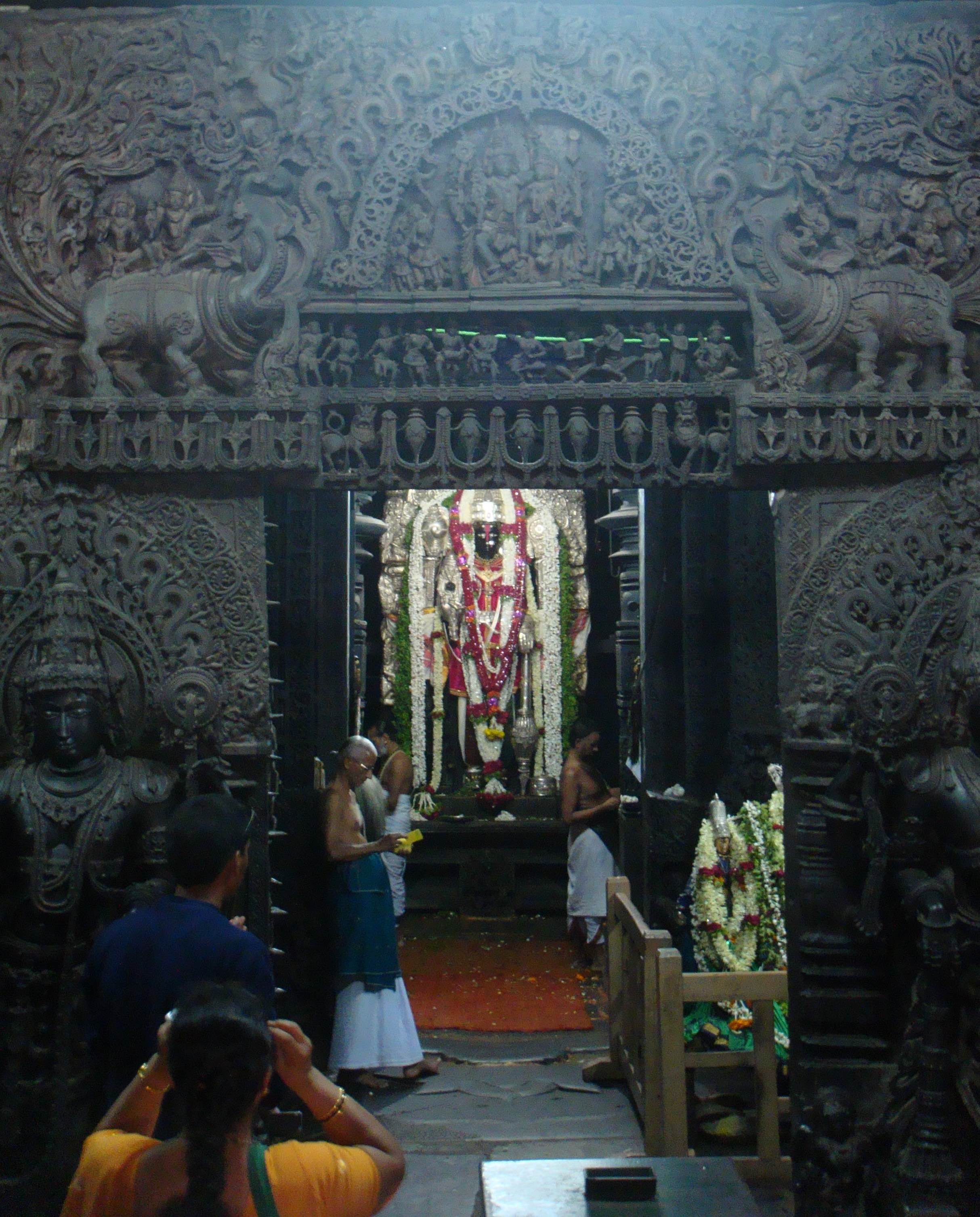
The spiritual heart of a temple is the Garbhagriha, where the primary deity resides. This chamber is intentionally small and dimly lit, emphasizing stillness and inward contemplation. The deity may be represented by an idol (murti), a sacred symbol such as a Shiva lingam, or another form associated with the divine presence.
Access to the sanctum is usually restricted to priests, while devotees stand outside to offer prayers and receive blessings.
Mandapa (Assembly Hall)
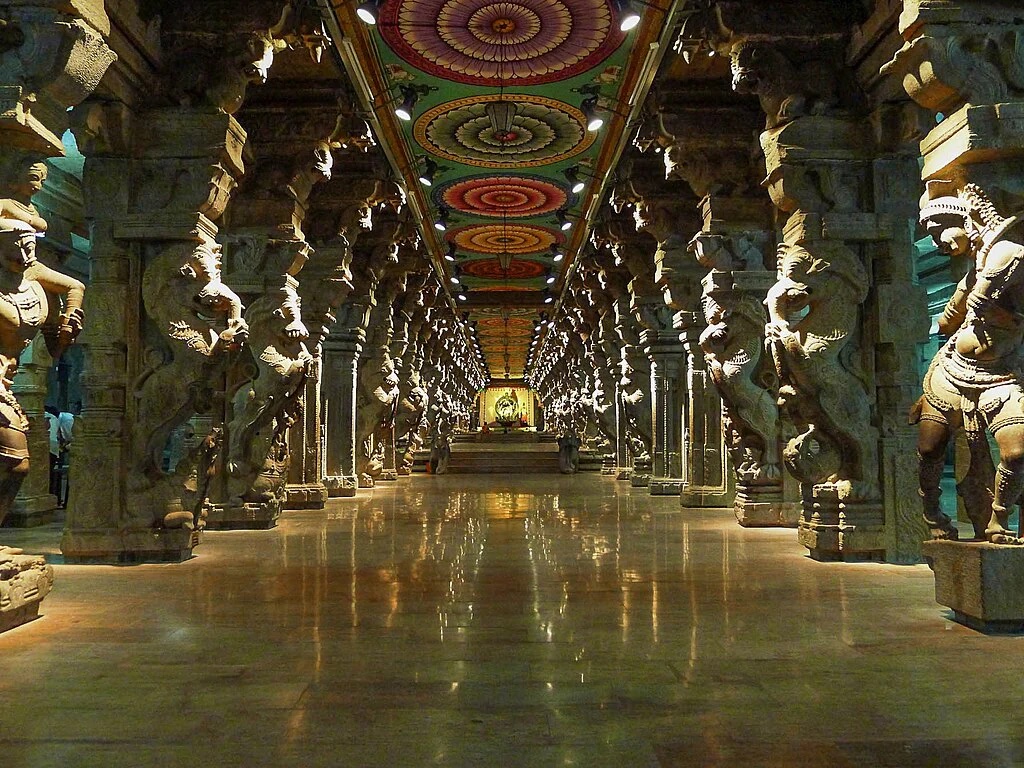
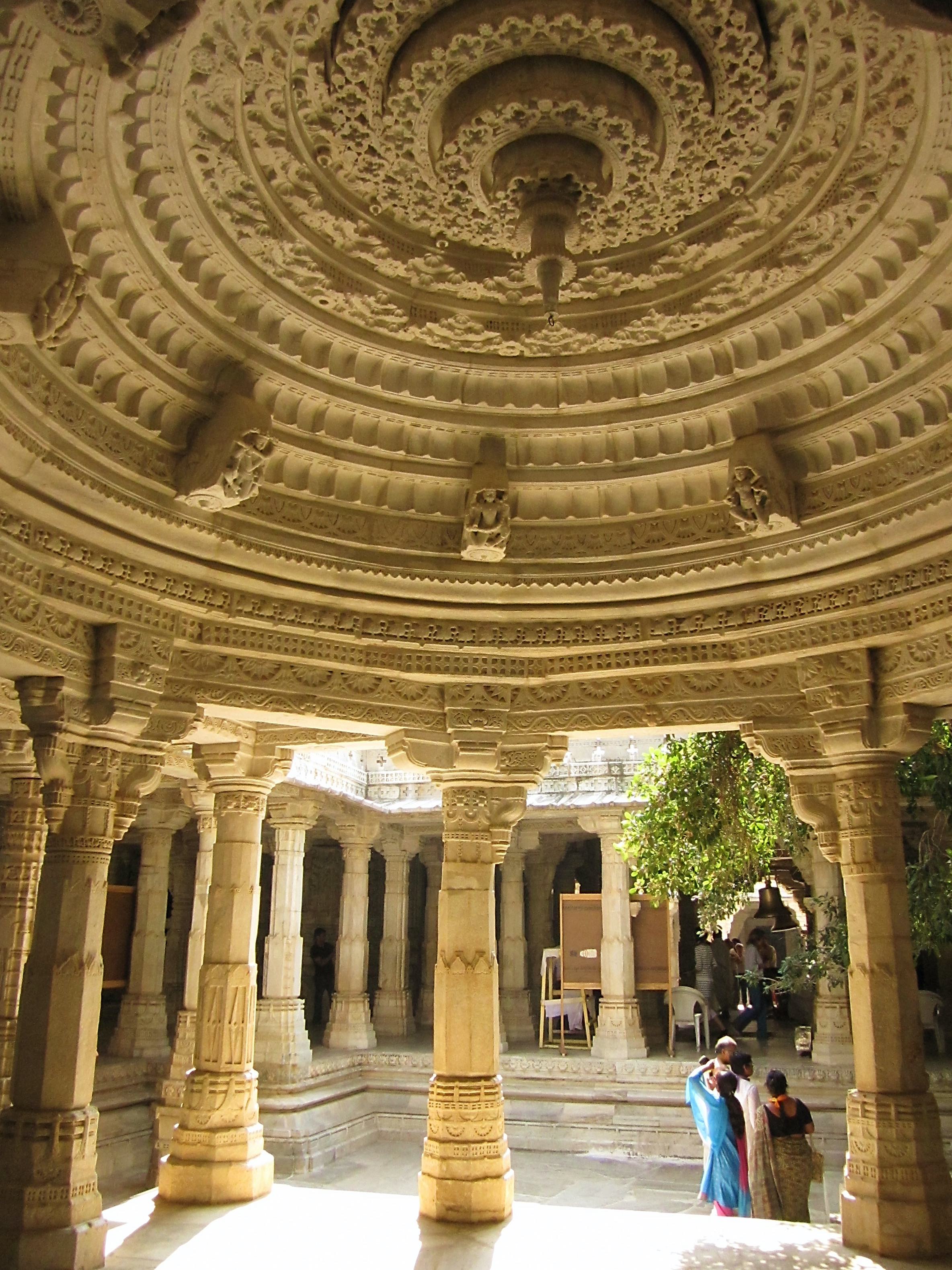
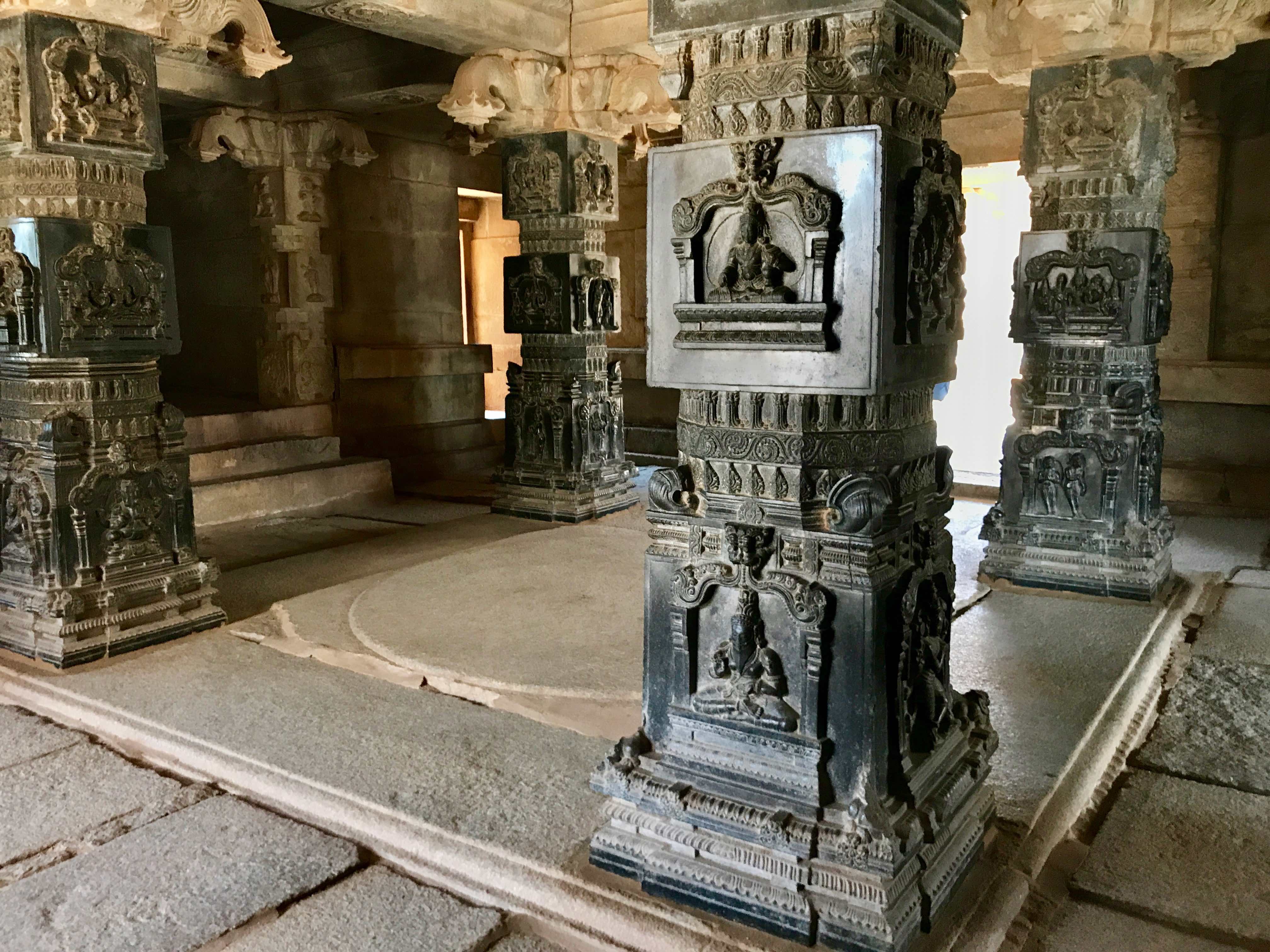
Leading toward the sanctum is the Mandapa, a pillared hall where devotees gather. In ancient and medieval India, these halls were vibrant cultural spaces. Religious discourses, music performances, dance rituals, and community gatherings often took place here.
This integration of spiritual and artistic life reflects a key feature of Hindu temple culture: the sacred and the cultural are not separate spheres but interconnected aspects of community life.
Shikhara or Vimana (Temple Tower)
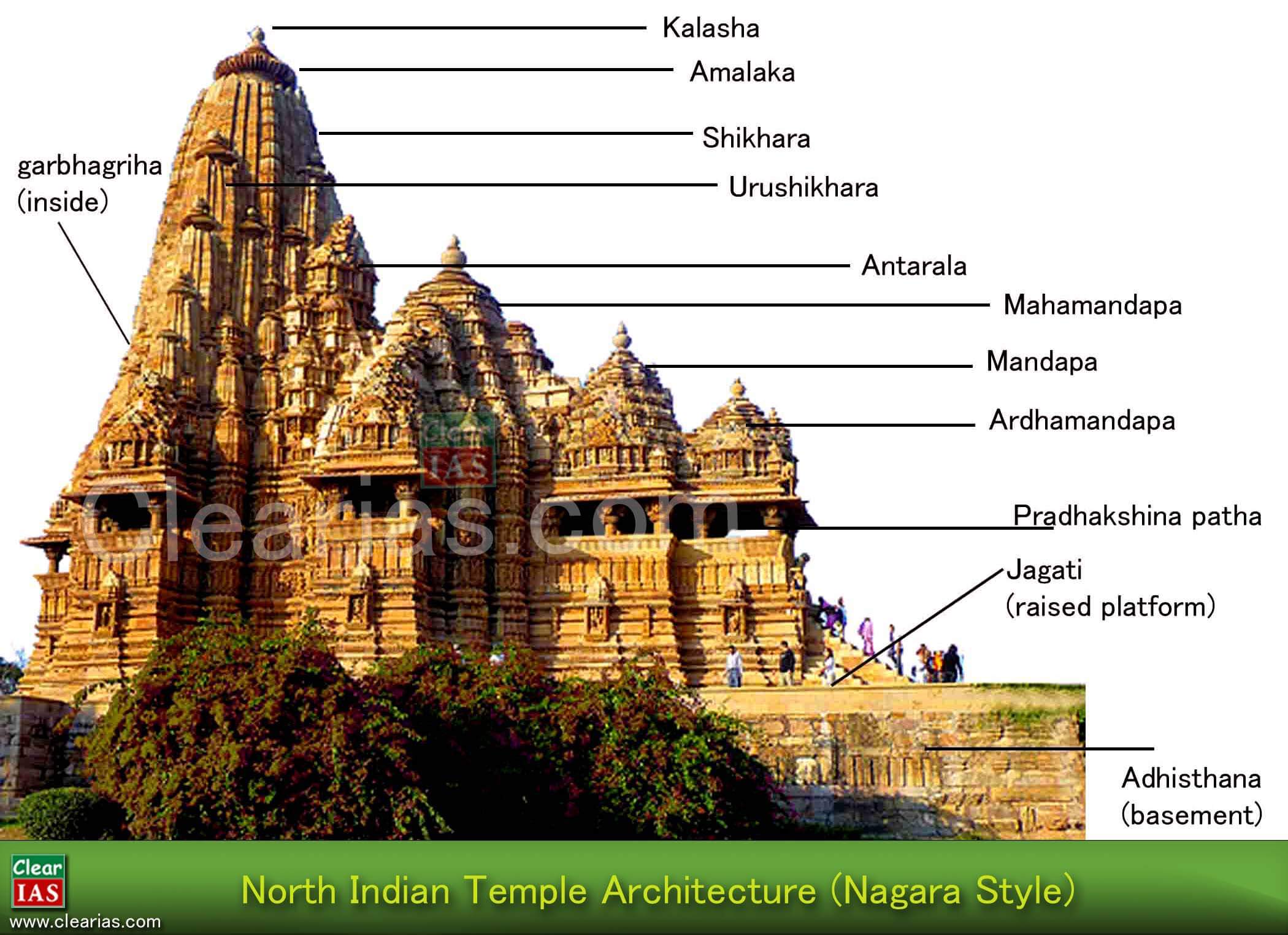
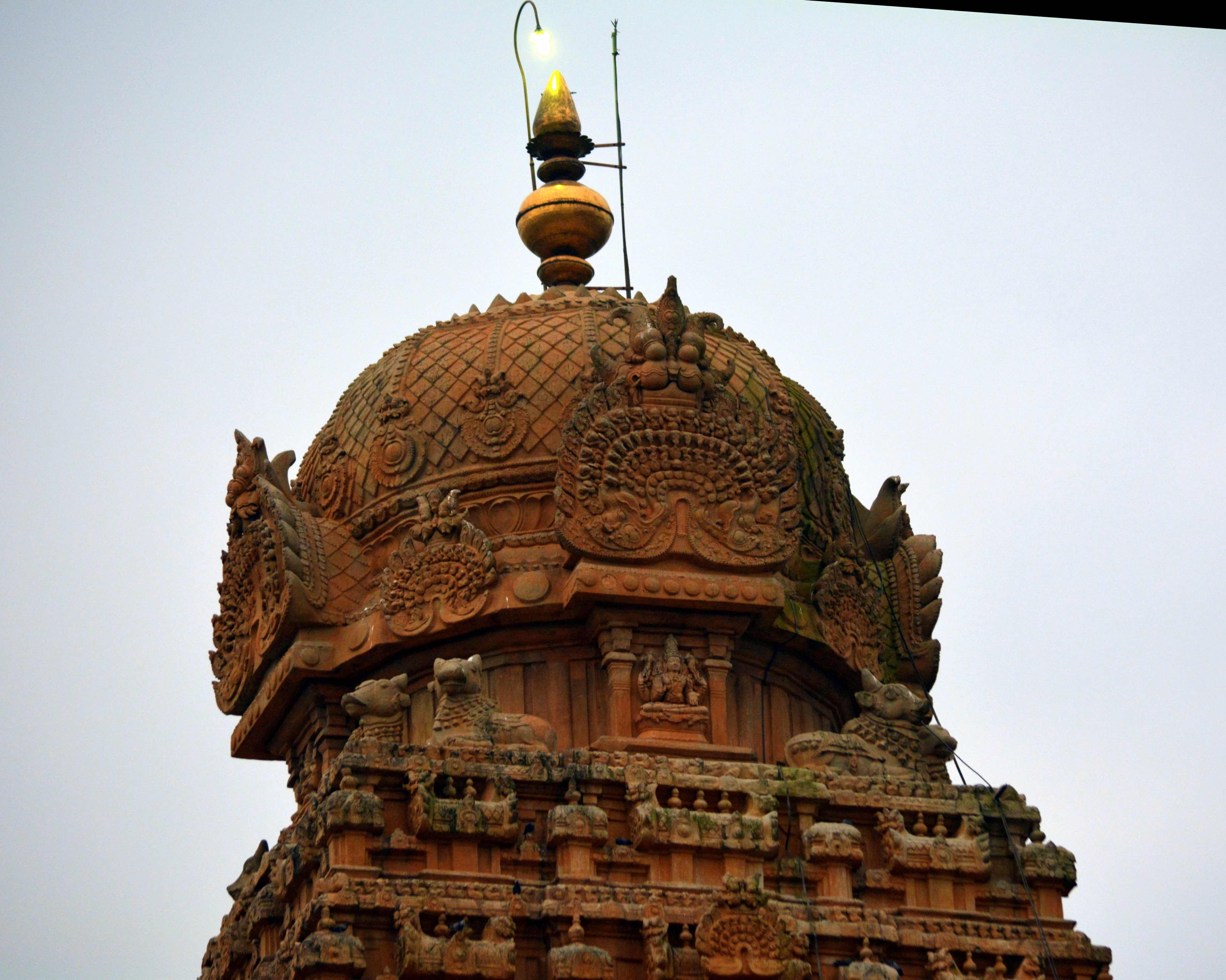
Rising above the sanctum is the temple’s tower—called the shikhara in northern traditions and vimana in southern architecture. This vertical structure symbolizes the connection between earth and the divine realm.
At its summit sits a finial known as the kalasha, a pot-like ornament representing abundance and spiritual fulfillment.
Ritual Movement and Sacred Space
A distinctive practice associated with temple worship is pradakshina, or circumambulation. Devotees walk clockwise around the sanctum, keeping the deity at the center of their path. This movement reflects the philosophical idea that the divine is the axis around which life revolves.
Temples are typically oriented toward the east so that the first rays of the rising sun illuminate the deity. Light, movement, and geometry combine to create a carefully orchestrated sacred environment.
Temples as Cultural Institutions
Historically, temples were far more than religious centers. They played significant roles in education, economics, and the arts.
Temples supported scholars who studied sacred texts, musicians who developed classical traditions, and sculptors whose craftsmanship produced some of the world’s most remarkable stone carvings. Many classical Indian dance forms, including Bharatanatyam and Odissi, evolved in connection with temple rituals.
Large temple complexes also functioned as economic hubs. Land grants, agricultural production, and artisan communities were often organized around temple institutions. Dynasties such as the Chola dynasty and the Hoysala Empire invested significant resources in temple construction, viewing these structures as both sacred offerings and symbols of cultural patronage.
The Concept of Darshan
Central to temple worship is the concept of darshan, a Sanskrit term meaning “seeing” or “beholding.” In the temple context, darshan refers to the moment when a devotee gazes upon the deity and receives the deity’s gaze in return.
This mutual act of seeing is considered spiritually transformative. Unlike purely symbolic representations, the temple deity is believed to be imbued with divine presence through a consecration ritual known as prana pratishta. Once consecrated, the image becomes a living focal point for devotion.
Related Posts
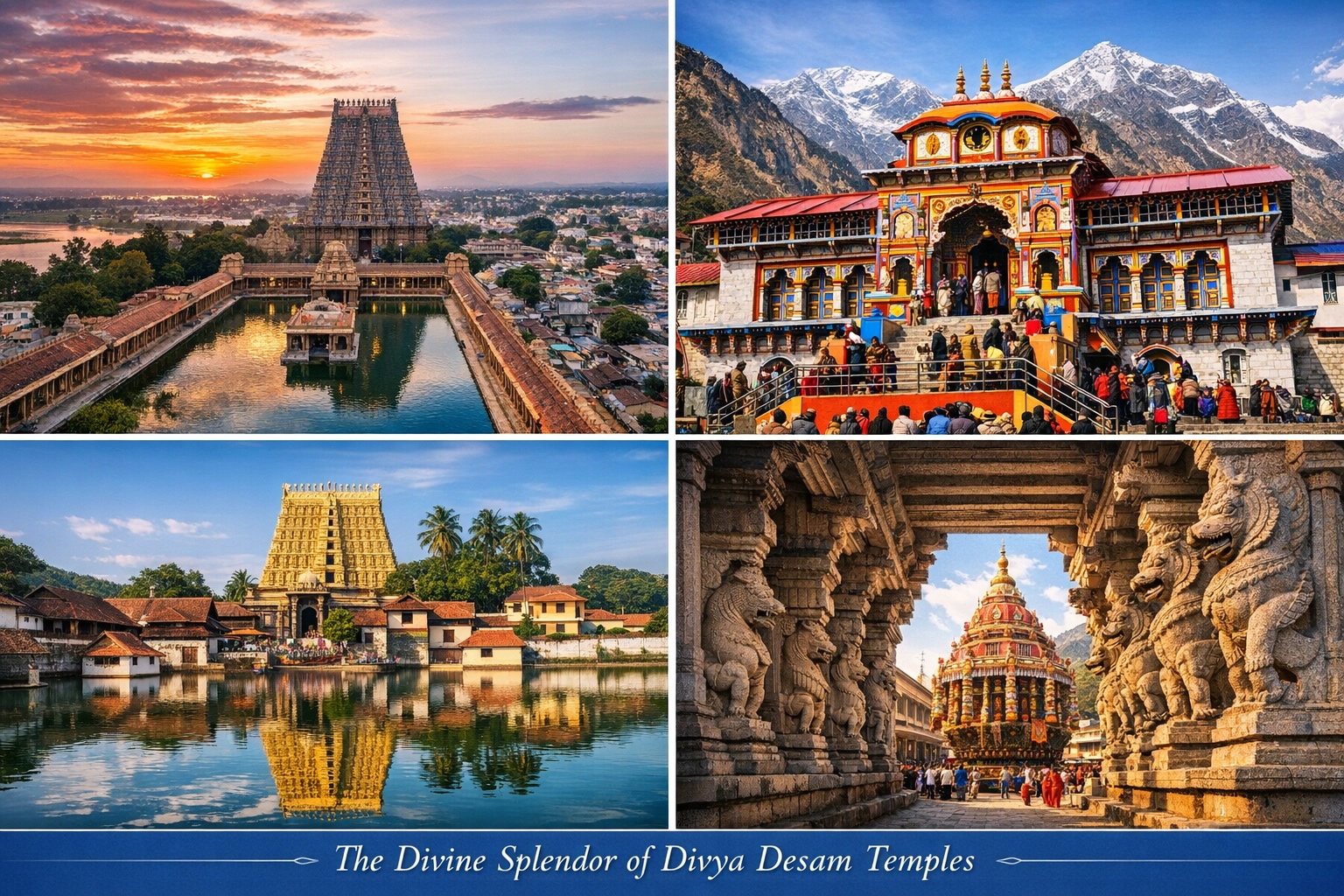
Divya Desams: The 108 Sacred Abodes of Vishnu in the Sri Vaishnava Tradition
Facebook Share on X LinkedIn WhatsApp Email Copy Link Introduction Among the most sacred pilgrimage [...]
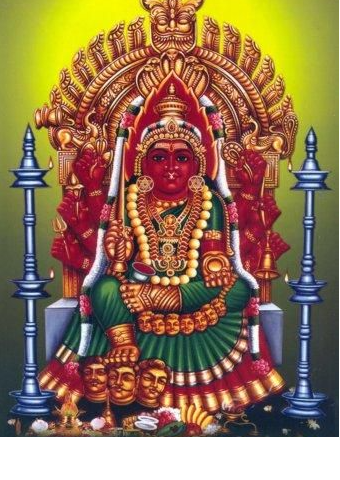
Mariamman: The Mother Goddess of Rain, Healing, and Protection
Facebook Share on X LinkedIn WhatsApp Email Copy Link Introduction Across the villages, towns, and [...]