Introduction
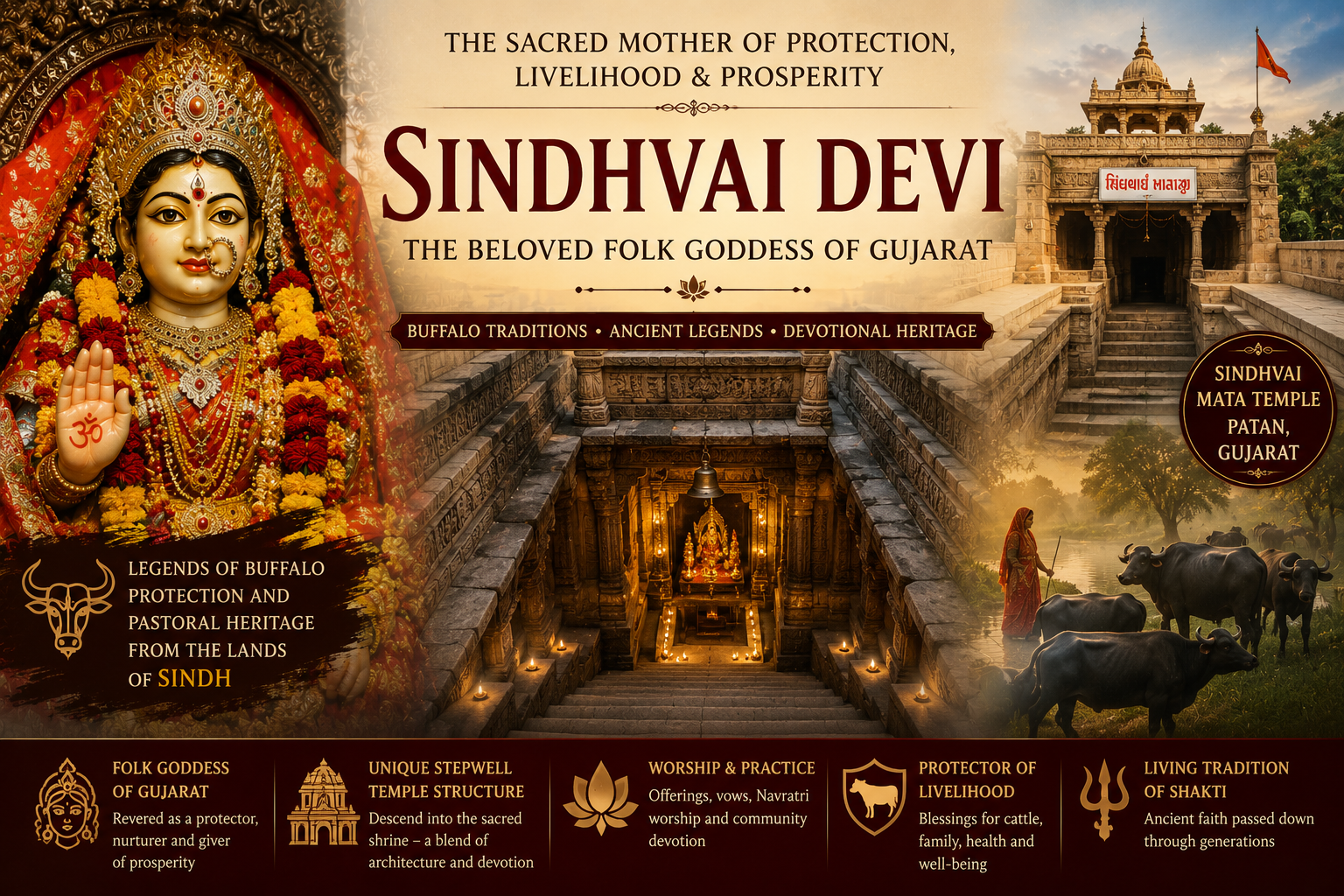
Among the deeply revered folk goddesses of Gujarat, Sindhvai Devi occupies a unique place in regional Shakti traditions and pastoral community worship. Revered as a protective mother goddess connected with cattle wealth, village protection, fertility, and livelihood, Sindhvai Devi continues to be worshipped by devotees across Gujarat, especially among communities historically associated with buffalo rearing and pastoral life.
Unlike many mainstream temple traditions, the worship of Sindhvai Devi preserves an important layer of ancient rural spirituality — where the Divine Mother is seen not only as a cosmic force, but also as:
- Protector of animals and livelihood
- Guardian of communities
- A living village deity connected to everyday life
The Story of Sindhvai Devi and the Buffalo Traditions
Traditional accounts associated with Sindhvai Devi connect her closely with buffalo herding communities and pastoral migration traditions. In folk narratives, the goddess is believed to have protected buffalo herds and the people whose survival depended upon them.
Several oral traditions mention connections between:
- Sindh-region pastoral routes
- Buffalo-rearing communities
- Folk Devi worship that later evolved into Sindhvai Mata traditions
For many devotees, buffaloes were not merely animals, but symbols of:
- Prosperity
- Survival
- Agricultural strength
- Community wealth
As a result, Sindhvai Devi became associated with:
Protection of livestock, rural prosperity, and maternal guardianship.
Even today, some devotees continue to offer prayers seeking:
- Protection for cattle and livelihood
- Family welfare
- Stability and prosperity
🛕 The Unique Temple Structure at Patan
One of the most fascinating aspects of the worship tradition is the ancient temple associated with Sindhvai Mata in Patan.
Unlike conventional temples built entirely above ground level, the shrine is associated with a stepwell-style sacred structure, where devotees descend through steps into the inner temple area. This creates a powerful spiritual atmosphere often described by visitors as both ancient and meditative.
The structure reflects architectural traditions found in Gujarat’s historic:
- Vavs (stepwells)
- Subterranean shrines
- Water-associated sacred spaces
Traditional stepwell architecture in Gujarat often combined:
- Sacred worship
- Water conservation
- Community gathering spaces
The Sindhvai Mata temple structure is especially notable for:
- Descending stone steps leading inward
- Cool subterranean atmosphere
- Ancient stone architecture
- A shrine-like setting integrated into the stepwell tradition
This style of architecture reflects the broader spiritual symbolism of western Indian stepwells, where water, fertility, protection, and the Divine Mother were often interconnected. Some historians and architectural references identify Sindhvai Mata shrines among examples of temple-associated stepwell traditions in Gujarat.
Many devotees describe the descent into the shrine as symbolic of:
Moving inward — from the outer world toward the sacred presence of the Goddess.
The temple’s atmosphere, stone passageways, and underground devotional setting continue to distinguish it from more conventional temple structures.
Spiritual Significance of Sindhvai Devi
Sindhvai Devi is worshipped as:
- A village guardian goddess
- A protector of livelihood and prosperity
- A maternal form of Shakti connected to folk traditions
Her worship reflects a blend of:
- Folk Hinduism
- Rural Devi worship
- Regional Shakta traditions
For devotees, Sindhvai Mata represents:
Divine protection rooted in everyday life, community, and survival.
How Devotees Worship Sindhvai Devi
Traditional worship practices vary across communities and family lineages, but commonly include:
- Lighting oil lamps before the goddess
- Offering coconuts, flowers, and sweets
- Community devotional gatherings
- Navratri worship and local festivals
- Family vows and thanksgiving offerings
In many traditions, simplicity and sincere devotion are considered central to worship.
Why Sindhvai Devi Remains Important Today
Even in modern times, Sindhvai Devi remains spiritually significant because her traditions preserve:
- Gujarat’s pastoral heritage
- Ancient village goddess worship
- Community-centered forms of devotion
- Folk Shakti traditions rarely discussed in mainstream narratives
For many devotees, Sindhvai Mata continues to symbolize:
- Protection
- Stability
- Maternal grace
- Connection to ancestral traditions
Watch the Detailed Video Below
🎥 In the detailed video below, explore:
- The history and legends of Sindhvai Devi
- Her connection with buffalo and pastoral traditions
- The unique architecture of the Patan temple
- The significance of the underground shrine structure
- Folk rituals and devotional practices
- How devotees worship Sindhvai Mata today
- The deeper cultural significance of this ancient Gujarat goddess tradition
The video offers a deeper insight into one of Gujarat’s most unique and spiritually rooted folk goddess traditions.
Related Posts
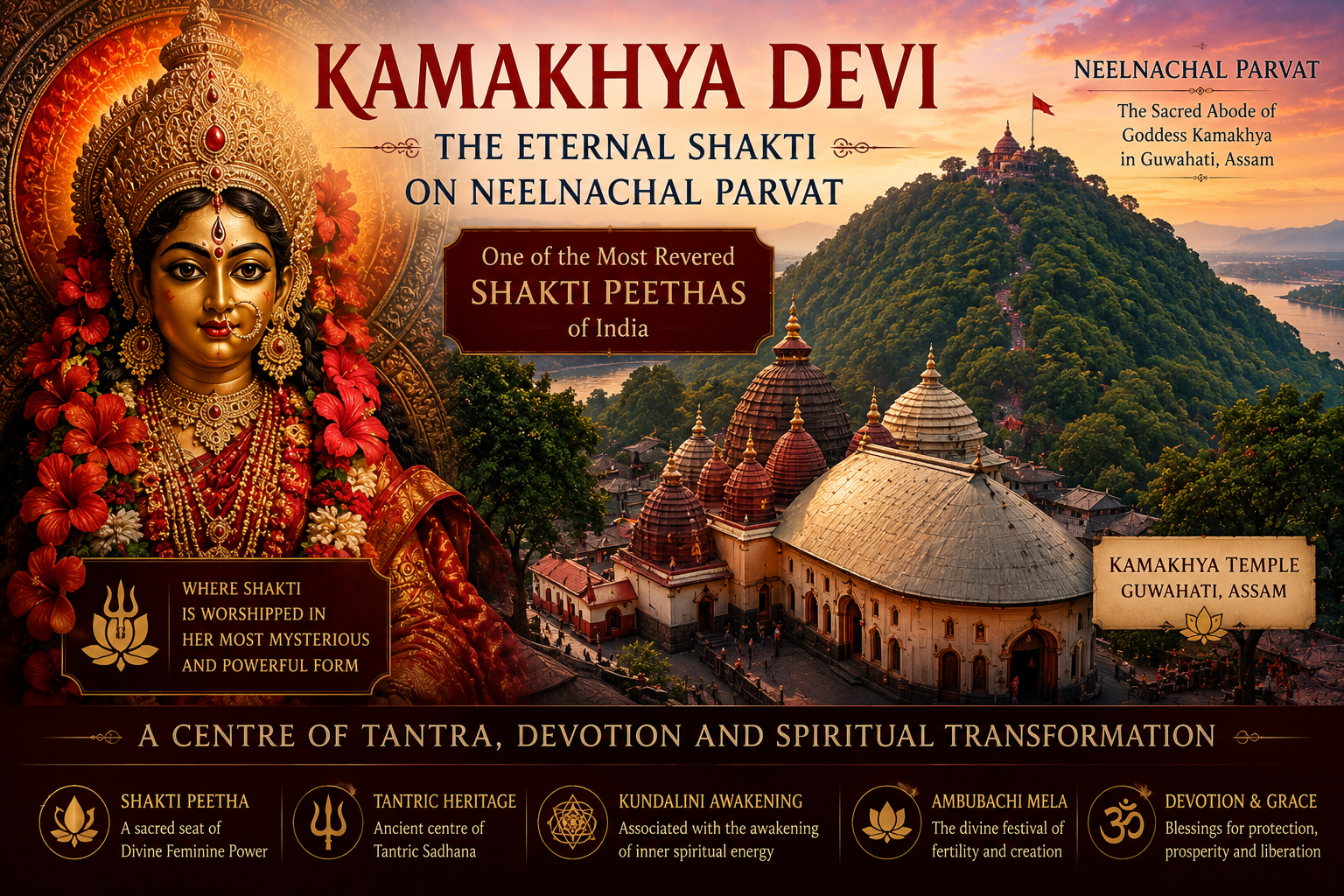
Kamakhya Devi: The Sacred Shakti Peetha of Guwahati and the Heart of Tantric Worship
Facebook Share on X LinkedIn WhatsApp Email Copy Link Introduction Perched atop the Nilachal Hills [...]
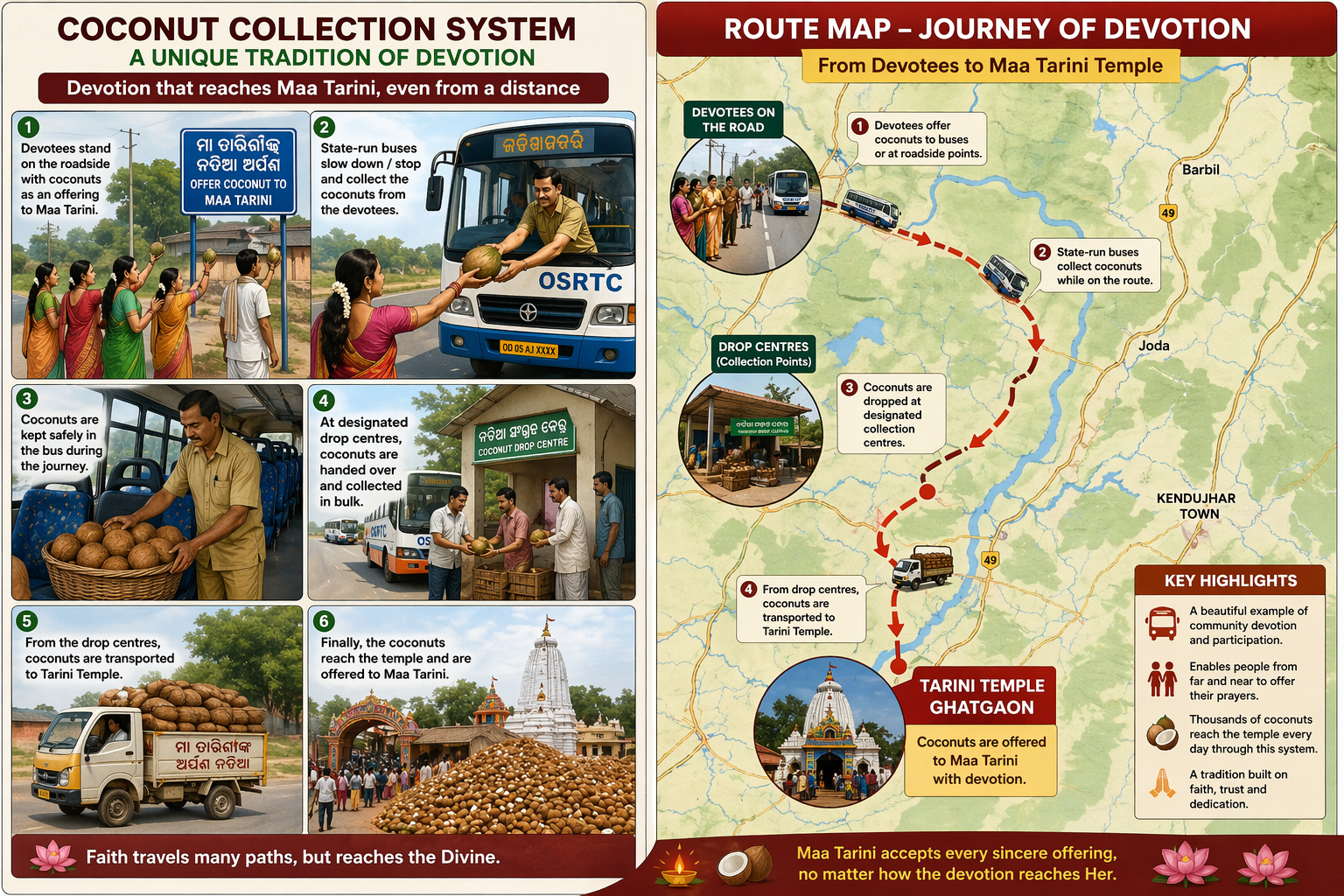
Ritual Traditions at Maa Tarini Temple: Coconut Offerings, Horse Idols & Sacred Practices
Facebook Share on X LinkedIn WhatsApp Email Copy Link Introduction The spiritual identity of the [...]
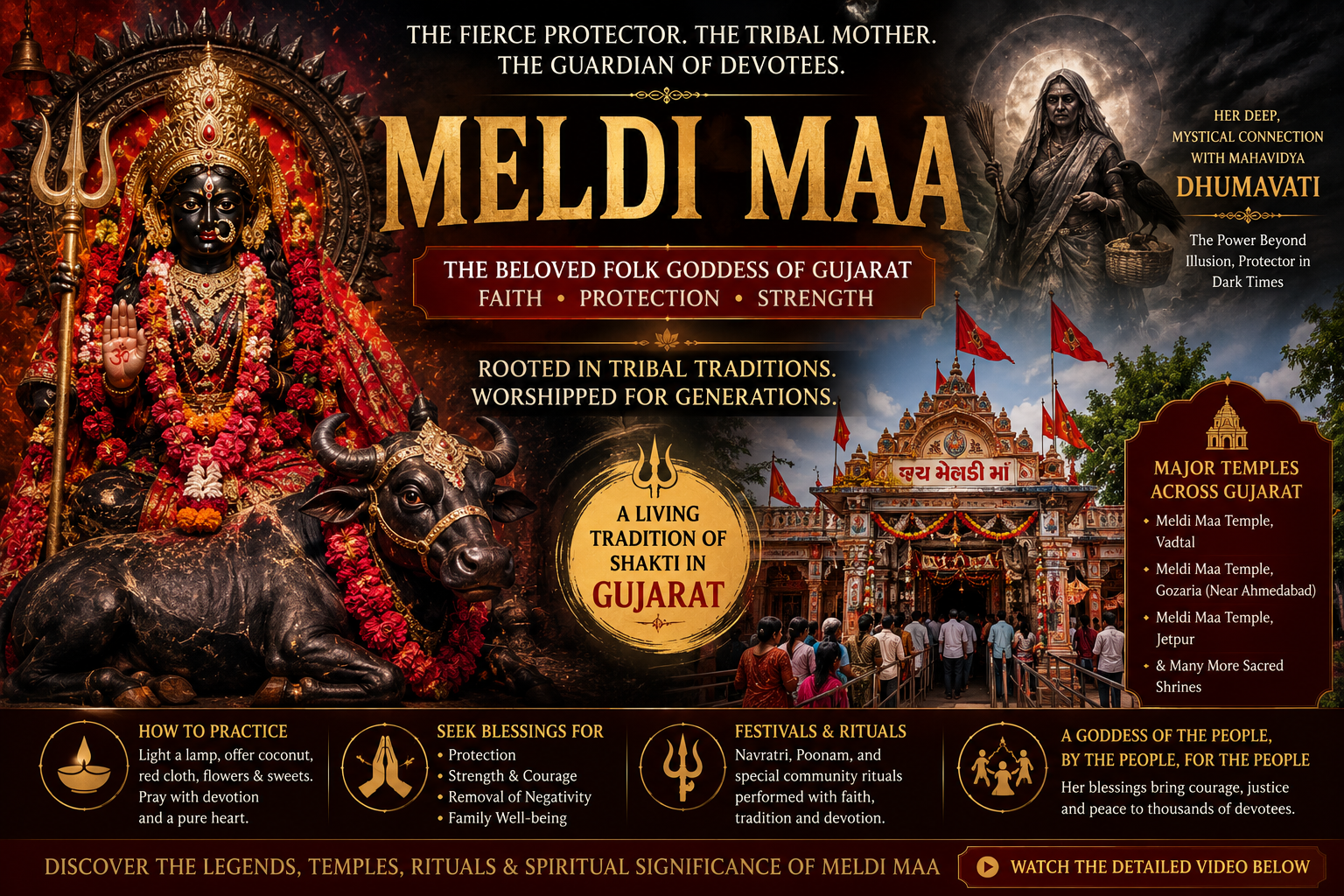
Masani Meldi Maa: The Fierce Tribal Goddess of Gujarat, Folk Shakti Traditions & Her Connection to Dhumavati
Facebook Share on X LinkedIn WhatsApp Email Copy Link Introduction Among the most widely worshipped [...]